
What HR Teams Look for in a Welcome Kit Vendor (2026 Guide)
Jennifer Rizzi
April 13, 2026
How to choose a scalable onboarding kit partner — and why vendor consolidation is becoming the new standard.
Welcome Kits Are Now an Operational Program — Not a Side Project
New hire swag kits used to simply be a t-shirt and a mug waiting at an employee’s desk on their first day. (Nice, but not exactly the most engaging welcome experience.)
Today, HR teams are managing onboarding for remote, hybrid, and distributed teams, and welcome kits have become more complex as they’re optimized for long-term impact and employee retention.
What was once a side project for many orgs is now a scalable initiative that’s part logistics operation, part branding exercise, and part employee experience program. The biggest challenge is running the program consistently and on-schedule without creating more work for HR.
According to the 2026 Employee Onboarding Experience Audit research, HR teams are thinking harder about how they choose welcome kit vendors — and what they expect those vendors to handle.
What HR Teams Want in a Welcome Kit Vendor
We asked HR professionals what matters most when choosing a welcome kit vendor. The results show a clear shift toward operational simplicity and full-service support.
Top Vendor Priorities
- One vendor who handles design, production, kitting, and direct shipping — 52%
- Flexible quantities, even for single hires — 47%
- A curated starter kit with pre-selected, customizable items— 46%
- Branded packaging that feels premium and “unboxable” — 44%
- A dedicated account rep who learns our brand — 41%
- Per-employee fulfillment so HR isn’t managing inventory — 36%
- HRIS integration to auto-ship kits on hire date — 36%
The pattern is clear: HR teams are trying to reduce operational work while improving the new hire experience. The vendor is no longer just a product supplier — they are becoming an onboarding operations partner
Why Vendor Consolidation Is Becoming the New Standard
The most common request by a wide margin is working with one vendor who handles everything.
That’s because the traditional welcome kit process often looks something like this:
- Apparel from one vendor
- Drinkware from another
- Printed materials from a local printer
- Boxes ordered separately
- Someone internally assembling kits
- Someone else coordinating shipping
Individually, none of these tasks are difficult. Together, they create a surprising amount of coordination and room for error.
Late shipments, missing items, inconsistent kits, and inventory issues are usually not caused by lack of effort— they’re caused by too many moving parts.
This is why more HR teams are consolidating vendors and moving toward a single partner who manages sourcing, kitting, inventory, and shipping end-to-end.
Flexible Quantities Matter More Than People Think
Nearly half of HR teams say flexible quantities are one of the most important factors when choosing a vendor.
This makes sense when you consider how hiring actually works. Onboarding isn’t a bulk event — it’s an ongoing, one-at-a-time process.
Bulk ordering creates problems like:
- Ordering too much inventory
- Running out of certain sizes
- Storing boxes in the office
- Managing spreadsheets to track inventory
- Wasting budget on unused items
More companies are moving toward on-demand fulfillment, where kits are shipped per employee instead of ordered in bulk and assembled manually. This model better matches how hiring actually happens.
Curated Starter Kits Solve the Biggest Welcome Kit Problem
One of the biggest challenges HR teams face isn’t budget or shipping — it’s deciding what to put in the kit.
Many welcome kits evolve over time instead of being intentionally designed. A company might start with a t-shirt, then add a mug, then add leftover event items, and eventually the kit becomes a random assortment of branded merchandise.
This is why many HR teams now look for curated starter kits they can customize rather than building every kit from scratch.
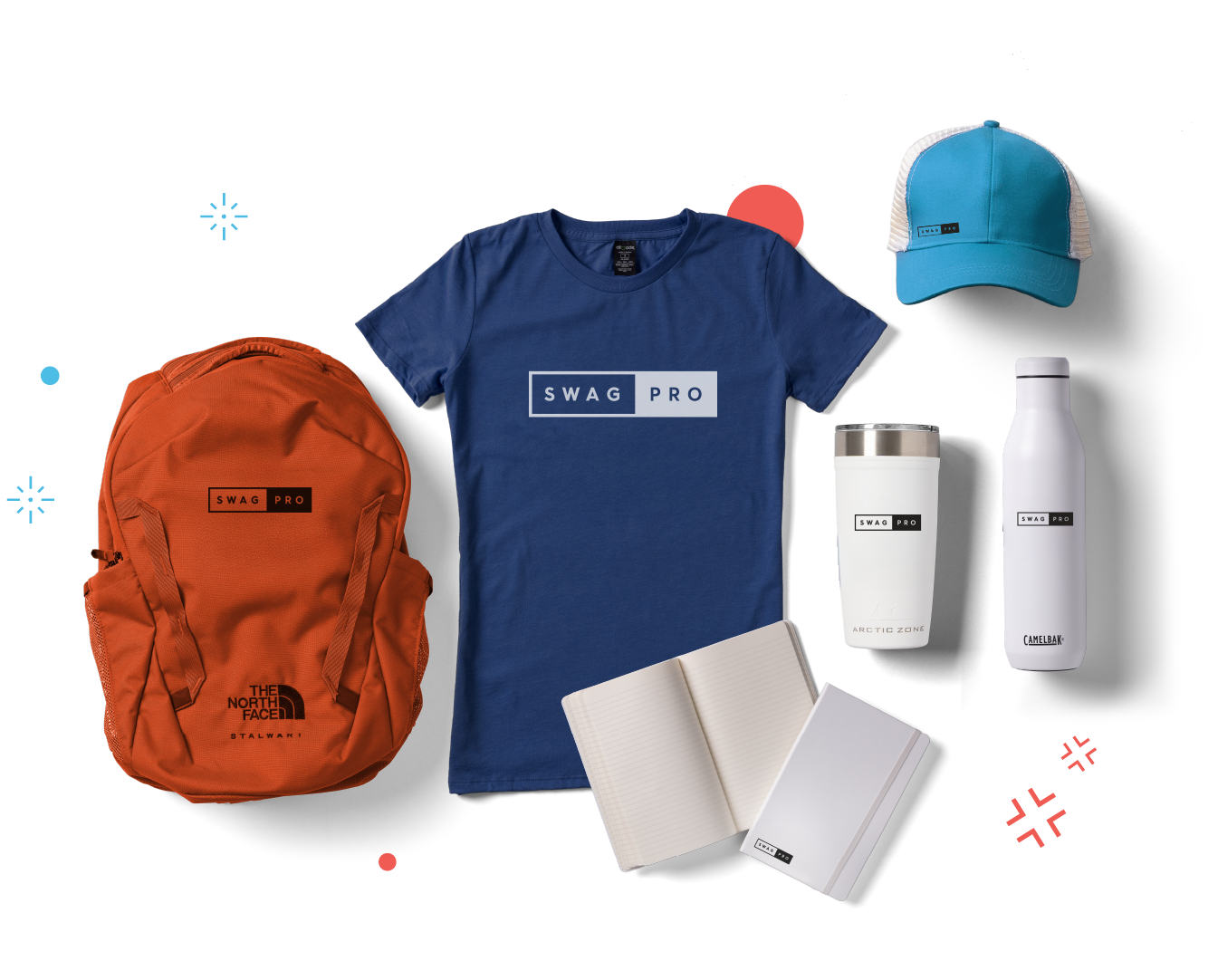
Curated kits typically include a mix of:
- Branded apparel
- Drinkware
- Notebook or journal
- Tech accessory
- Welcome card or culture materials
Starting with a curated kit saves time and usually results in a more cohesive, higher-quality welcome experience.
Watch us unbox an example of an optimized new hire kit here:
The Unboxing Experience Is Now Part of Onboarding
One of the more interesting findings in onboarding research is how important packaging has become.
More than 40% of HR teams say premium branded packaging is a top priority when choosing a welcome kit vendor.
This is because the welcome kit is often:
- The first physical interaction a new hire has with the company
- The first brand experience for remote employees
- Something employees share on social media
- A moment that sets the tone for onboarding
Custom boxes, branded tape, tissue paper, and welcome cards all contribute to the experience. The kit is no longer just about the items inside — it’s about how the entire experience feels when it arrives.
Get a custom consultation on branded packaging.
How Swag Pro Helps HR Teams Run Welcome Kit Programs
Swag Pro is designed to help HR teams run onboarding kits as a scalable program rather than a manual process.
With Swag Pro, HR teams can:
- Curate high-quality, on-brand welcome kits with expert sourcing support
- Standardize or customize kits by department, role, or location
- Store inventory and manage sizing without spreadsheets or over-ordering
- Ship kits directly to new hires before Day 1
- Track shipments, inventory, and program performance
- Manage all onboarding kits through a single vendor and platform
Companies that run welcome kits as a structured, repeatable program — instead of occasional swag orders — tend to deliver more consistent onboarding experiences and stronger first impressions.
Want to chat with a swag expert about your team’s new hire kit needs? Schedule a custom consultation.
